Projects
Apps, websites and tools I've built or co-created.
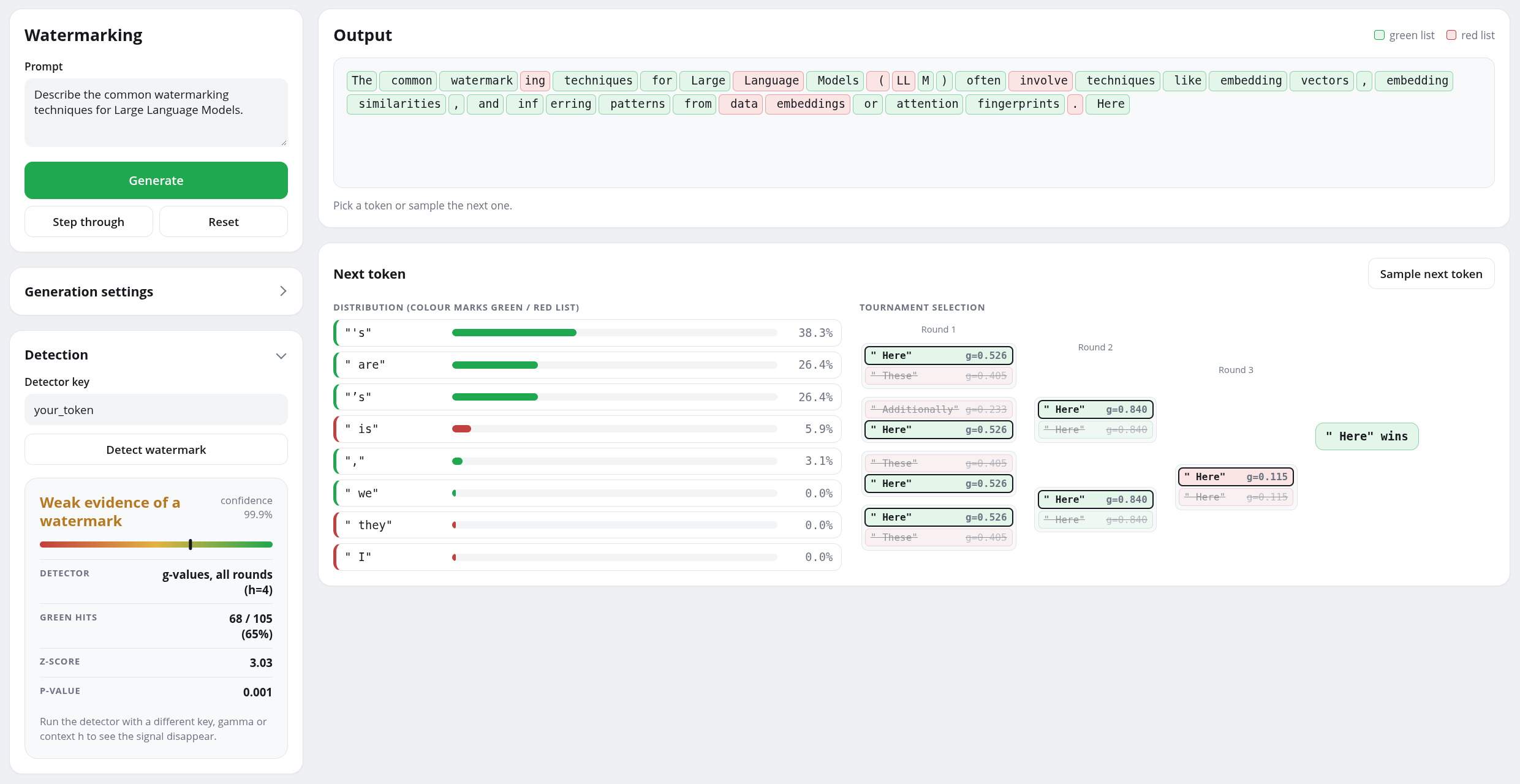
LLM Watermarking Demo
A web application demonstrating LLM watermarking and detection techniques.
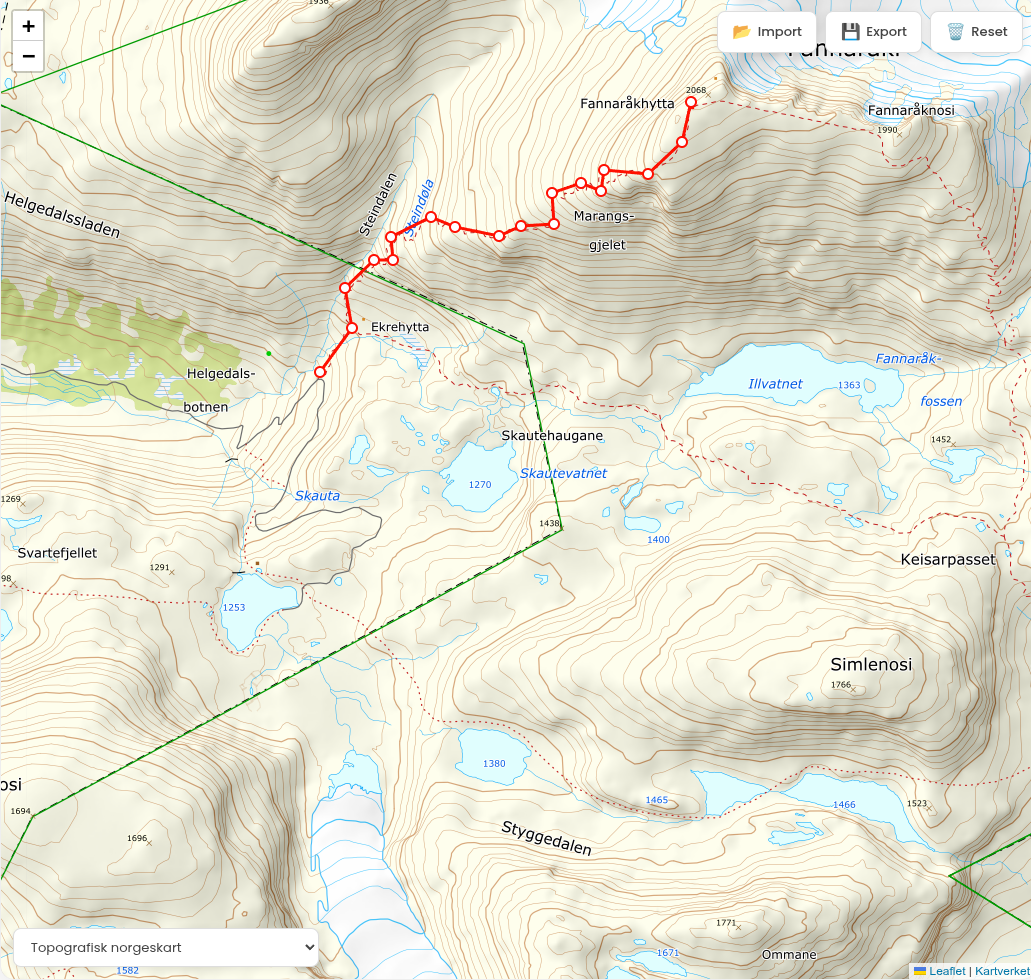
Norgeskart GPX
A web application for creating, viewing, editing and exporting GPX tracks specifically using Norgeskart in Norway.
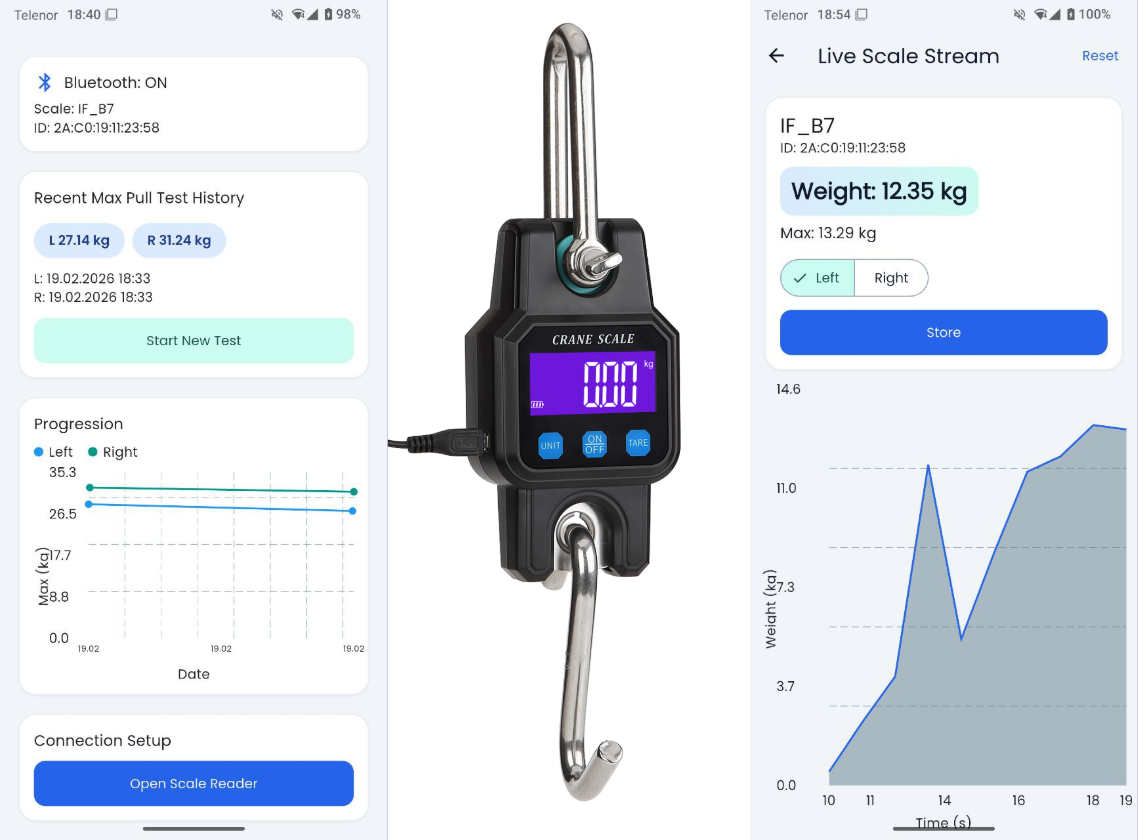
Pull Strength BLE
A Flutter app for Android that connects to a BLE crane scale (WeiHeng WH-C06 compatible), decodes live readings and tracks pull strength tests.
Publications
Selection of peer-reviewed papers, conference presentations, and other research outputs from my work.
Explainable surface displacement prediction using causal feature selection and Kolmogorov-Arnold Networks
Engineering Geology
Potential failures from unstable rock slopes and landslides pose a significant risk to human beings and infrastructure, making the understanding and prediction of surface displacement critically important. We introduce a novel framework leveraging the most recent advances in machine learning and aiming at comprehensively understanding the displacement behaviour of unstable slopes. The construction of causal graphs connecting available external and internal slope parameters allows identifying the underlying displacement drivers and extracting valuable information to train predictive models. Our approach utilises a Kolmogorov-Arnold Network (KAN)-based architecture to enhance prediction capability. We applied the displacement prediction models to datasets from three slope instabilities characterised by distinct geological and geographical settings and varying levels of monitoring data availability, demonstrating that our end-to-end framework is widely applicable. Our method not only outperforms almost all recent and standard machine learning approaches in terms of prediction accuracy, but also offers easy interpretability for the end user. The employment of accurate and at the same time easy-to-understand models is a significant advancement, overcoming adoption issues of complex Artificial Neural Networks. The inherent model transparency makes this approach relevant for a wide range of geoscientists, with the majority being non-experts in machine learning, ultimately contributing to better understanding of slope behaviour and thus better mitigation strategies and risk management.
Exposing the potential of XAI-based causal discovery for analysing unstable rock slopes
Nature Scientific Reports
Unstable rock slopes pose significant challenges in geohazard analysis due to their complex nature. Traditional approaches to understanding displacement drivers on unstable rock slopes limit conclusive statements on process drivers, focusing on statistical analyses and expert knowledge. eXplainable Artificial Intelligence (XAI) based Causal Discovery enables the unbiased construction of causal graphs, depicting the cause-and-effect relations between system variables, beyond statistical correlations. In this study, we use Multi-Window Causal Discovery (MWCD) for creating causal graphs from pre-failure displacement and weather monitoring data applied to three different sites. At the Stampa rock section 4a (Norway), MWCD identifies a temporal shift from an indirect to a direct effect of precipitation and infiltration on the displacement, corresponding to a final destabilization. In Preonzo (Switzerland), causal connections change considerably during the pre-failure acceleration from temperature and precipitation dominated effects to a gravitationally driven system. At Veslemannen (Norway), MWCD identifies spatial causality with lower sections of the instability strongly influencing the deformation dynamics of the upper sections. Our results show that incorporating XAI-based methods alongside traditional geological analysis drastically improves the understanding of displacement dynamics in unstable rock slopes. This improved understanding can be used to build more robust and accurate forecasting methods.
Multimodal Asynchronous Kalman Filter for monitoring unstable rock slopes
Geomatics, Natural Hazards and Risk, 14:1, 2272575
Unstable rock slopes pose a hazard to inhabitants and infrastructure in their vicinity, necessitating advanced monitoring methodologies for timely risk assessment and mitigation. Recent geotechnical monitoring techniques often rely on sensor data fusion to enhance forecasting for imminent failures. Our investigation extends beyond a single sensor type to data fusion for heterogeneous sensor networks using a Multimodal Asynchronous Kalman Filter. We illustrate the application of the proposed method on a case study data set consisting of data from an on-site sensor network enriched by remote sensing data. Employing a Multimodal Asynchronous Kalman Filter, we capitalise on the distinct resolutions inherent in each sensor input. The outcome was a combined dataset with a high spatiotemporal resolution. Our approach facilitates the estimation of essential physical attributes for monitored objects, encompassing translation, rotation, velocities and accelerations. The case study site was an unstable rock section of ca. 50.000 m3 in Aurland, Norway, which collapsed as a multi-stage failure in July 2023. Our method can be transposed to various sites with distinct sensor networks, enhancing state estimations for objects on unstable rock slopes. These estimations can significantly improve applications such as risk assessment and robust early-warning systems, enhancing predictions of critical failure points.
Latest Blog Posts
Technology, engineering, research, and building things.
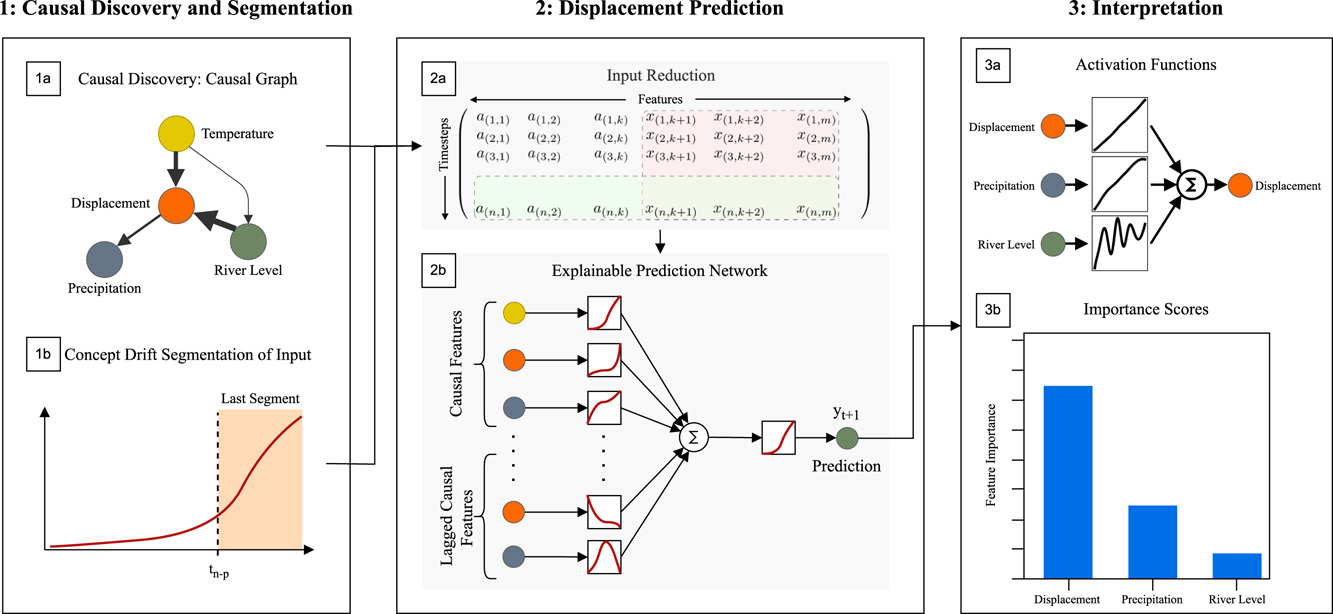
Explainable surface displacement prediction using causal feature selection and Kolmogorov-Arnold Networks
Plain english summary of the publication on explainable surface displacement prediction using causal feature selection and Kolmogorov-Arnold Networks.

Large Language Models: Scaling New Heights
Introduction to Large Language Models, explaining the basics of LLMs and their scaling capabilities. Overview over the challenges LLMs face and the novel approaches chosen to enhance their performance.
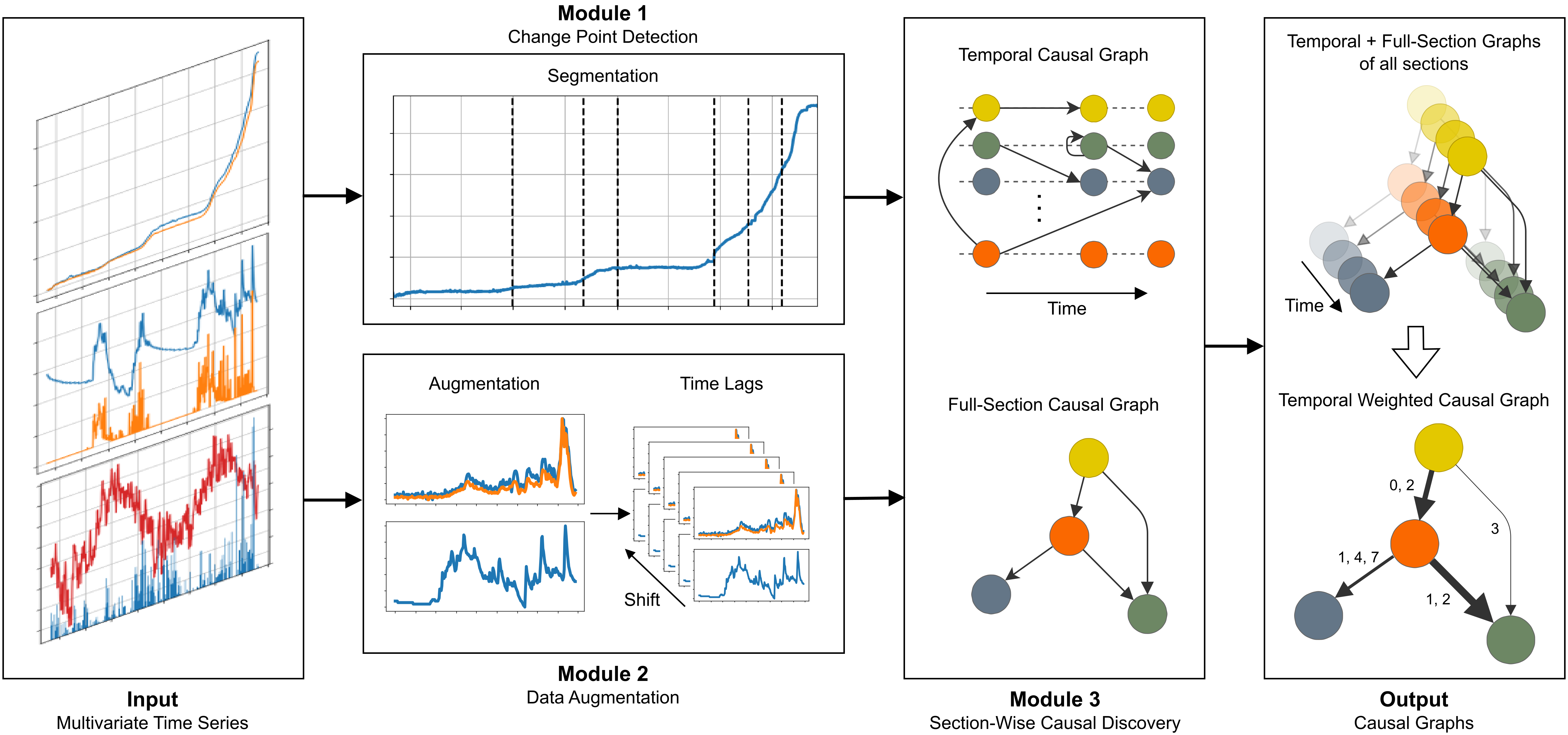
Exposing the potential of XAI-based causal discovery for analysing unstable rock slopes
Plain english summary of the publication on XAI-based causal discovery for analysing unstable rock slopes.